
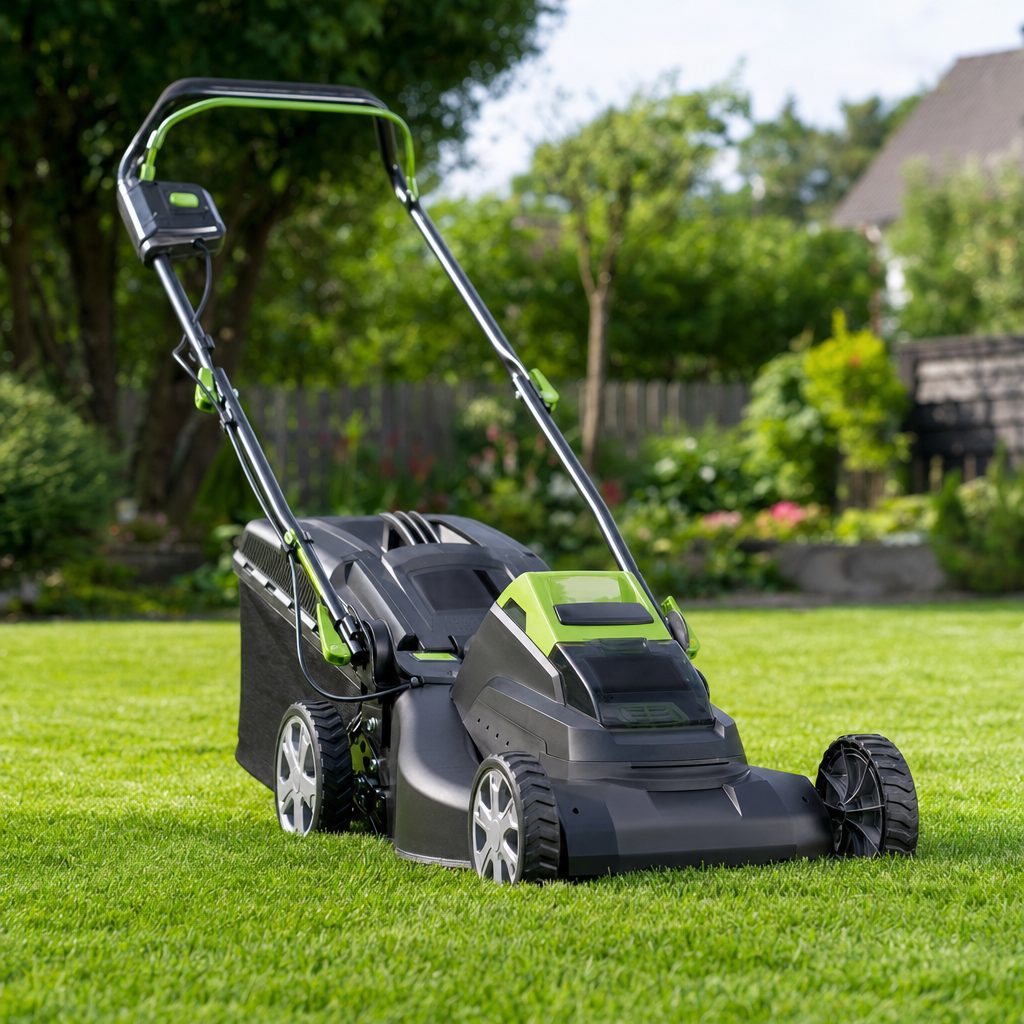
Introduction to Cordless Lawn Mowers
The landscaping industry has experienced a significant technological shift over the past decade, moving away from traditional gas-powered equipment toward advanced battery-operated alternatives. When searching for the best cordless lawn mower, homeowners are typically looking to eliminate the hassle of managing fuel mixtures, pull-cords, spark plugs, and annual engine tune-ups. Modern lithium-ion battery technology has bridged the performance gap that once existed between gas and electric mowers, delivering impressive cutting power that handles thick grass with remarkable consistency. These machines start instantly with the push of a button and operate at a significantly lower noise level, transforming a chore into a much more pleasant weekend routine.
Beyond reducing noise and eliminating toxic emissions, battery-powered mowers offer distinct storage and handling advantages that appeal to a wide variety of users. Because they lack fluids, many models can be folded upright and stored vertically against a garage wall, reclaiming valuable floor space. Their lightweight construction also makes them easier to push and maneuver around garden beds, trees, and tight corners compared to their heavier gas-powered counterparts. As manufacturing processes continue to improve, battery capacities have increased substantially, allowing these machines to cover medium-sized residential lawns on a single charge without frustrating interruptions.
Evaluating Battery Capacity and Voltage
Understanding battery specifications is the most crucial step when researching the best cordless lawn mower for your specific property dimensions and grass density. Voltage ratings generally range from 40 volts up to 80 volts or even higher, with higher voltage platforms typically correlating with increased motor torque and cutting performance. However, voltage alone does not tell the whole story; amp-hour (Ah) capacity determines how long the battery will run before requiring a recharge. A higher amp-hour rating translates to extended runtime, which is essential for larger yards or properties with tougher, overgrown turf that demands more energy from the electric motor.
Many manufacturers now utilize dual-battery systems or cross-compatible battery platforms that work across a whole ecosystem of yard tools, such as leaf blowers and string trimmers. This interchangeability provides a practical advantage, allowing homeowners to swap power sources seamlessly if a single battery runs low before the mowing job is finished. Fast-charging technology has also evolved rapidly, with some premium chargers capable of replenishing a depleted battery in under an اح hour. When assessing your options, consider purchasing a secondary backup battery if your property requires more than forty-five minutes of continuous mowing time to complete.
Deck Materials and Cutting Widths
The mowing deck is another critical feature that influences both the durability of the machine and the overall efficiency of your weekly yard maintenance routine. Cutting widths for cordless mowers typically span from fourteen inches for tiny urban yards up to twenty-one or twenty-two inches for larger suburban properties. A wider deck covers more ground with each pass, reducing the total number of rows you need to walk, but it also requires more electrical energy from the battery. Homeowners should balance deck size against the physical layout of their yard, ensuring the mower can still fit comfortably through narrow side gates and between closely planted landscaping features.
Deck construction materials generally consist of heavy-duty molded plastic, stamped steel, or lightweight composite materials designed to withstand impacts from flying debris. Plastic and composite decks are completely immune to rust and contribute to a lighter overall weight, making the mower remarkably agile on slopes. Steel decks, on the other hand, provide robust structural rigidity and excellent longevity, though they require routine cleaning beneath the housing to prevent moisture accumulation and corrosion. Evaluating the build quality of the deck helps ensure that your investment will withstand seasons of regular use across varying weather conditions and turf types.
Key Features to Compare
When comparing different models on the market, paying attention to user-friendly design elements can significantly improve your long-term mowing experience. Single-lever height adjustment mechanisms allow you to modify the cutting height across all four wheels simultaneously, eliminating the tedious need to adjust each wheel individually. Additionally, look for brushless motors, which automatically adjust their speed based on the resistance of the grass, conserving battery life when turf is short and ramping up power automatically when encountering thick patches of weeds.
Propulsion systems are another vital consideration, especially if your property features rolling hills or an incline that makes manual pushing exhausting over time. Self-propelled cordless mowers utilize a variable-speed electric transmission to drive the wheels, allowing the user to simply guide the machine forward with minimal physical effort. While self-propelled models do consume battery power at a faster rate than push models, the ergonomic relief they provide on sloped terrain is often well worth the trade-off. Always test the handlebar ergonomics, foldability mechanisms, and bag removal points to ensure the overall design aligns with your personal comfort preferences.
- Measure your total lawn square footage to determine necessary battery amp-hour requirements.
- Check compatibility with existing cordless tool batteries to potentially save money on bundled kits.
- Evaluate whether a push mower or a self-propelled model best suits your yard terrain and physical needs.
- Review grass clipping management options, including bagging, mulching, and side-discharge capabilities.
Maintenance and Storage Best Practices
Although cordless lawn mowers require far less maintenance than traditional gas engines, proper upkeep is still essential to maximize their lifespan and cutting efficiency. After every mowing session, it is important to disconnect the safety key and brush away grass clippings and accumulated debris from underneath the cutting deck. Dried grass retention can trap moisture against the deck material, cause unpleasant odors, and harbor fungal spores that might damage your lawn. Keeping the underside clean also ensures unobstructed airflow for optimal mulching and bagging performance during your next yard maintenance cycle.
Blade maintenance is another foundational task that directly influences the health of your turfgrass throughout the growing season. A dull mower blade tears grass blades rather than slicing them cleanly, leaving jagged brown tips that make the lawn susceptible to disease and drought stress. Periodically remove the blade using a socket wrench and a block of wood for safety, then sharpen the cutting edges with a file or a bench grinder. Finally, store your lithium-ion batteries in a temperature-controlled indoor environment during freezing winter months, keeping them charged at roughly fifty percent capacity to preserve overall chemical health.
Frequently Asked Questions
How long do cordless lawn mower batteries typically last?
Most quality lithium-ion batteries last between three to five years, or roughly 300 to 500 charge cycles, depending on frequency of use and proper winter storage habits.
Can cordless mowers handle wet or overgrown grass?
They can handle slightly damp or taller grass, especially models with brushless motors and high voltage, but extremely wet or overgrown turf will drain the battery rapidly and bog down the blade.
Are electric cordless mowers powerful enough for large yards?
Yes, many modern high-voltage cordless mowers with large cutting decks and interchangeable dual-battery systems can easily maintain properties up to half an acre or more on a single session.
Do I need to buy extra batteries for my cordless mower?
If your lawn takes longer than forty minutes to mow, purchasing a secondary backup battery is recommended so you can swap power sources and finish the job without waiting for a recharge.
Article Was Generated By AI.