
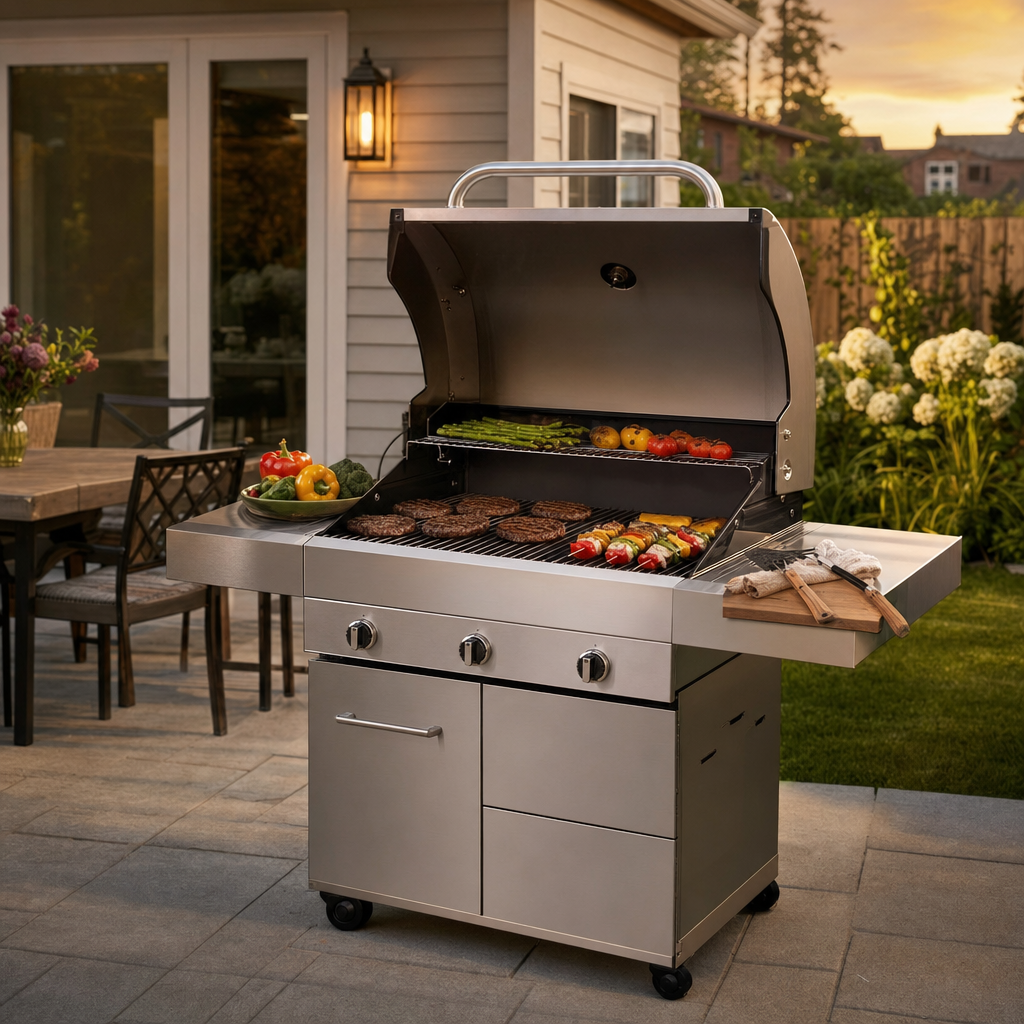
Understanding Your Outdoor Cooking Needs
When searching for the best gas grill, the first step is evaluating how you actually plan to cook and entertain. Unlike charcoal alternatives, gas models offer instant ignition and precise temperature control, making them ideal for quick weeknight dinners and large weekend gatherings alike. Consider the typical number of guests you host, as this directly dictates the cooking surface area required. A compact two-burner setup works wonderfully for small households or limited balcony spaces, while expansive four-to-six burner configurations provide the versatility needed for hosting neighborhood block parties and multi-course outdoor feasts.
Beyond sheer size, fuel type plays a pivotal role in your daily grilling experience. Most models operate on liquid propane using standard portable tanks, offering maximum portability and easy fuel monitoring. Conversely, natural gas units connect directly to your home’s main utility line, eliminating the persistent worry of running out of fuel halfway through cooking a thick ribeye steak or a delicate side of salmon. Evaluating your backyard layout, local climate, and personal convenience preferences will naturally guide you toward the ideal fuel configuration for your specific culinary lifestyle.
Core Components and Materials to Evaluate
The longevity and overall cooking performance of any grill heavily depend on the quality of its construction materials. Stainless steel is often celebrated for its sleek modern appearance and robust resistance to rust, but thickness matters immensely. High-grade 304 stainless steel offers superior durability compared to cheaper 430 variants, especially in coastal environments where salty air accelerates corrosion. Cast aluminum cook boxes also provide excellent heat retention and weather resistance, ensuring your investment withstands harsh winter elements and frequent high-heat cooking sessions year after year.
Cooking grates represent another critical element that directly impacts heat distribution and food searing. Porcelain-coated cast iron grates deliver fantastic sear marks and hold heat brilliantly, though they require careful cleaning to prevent chipping the protective enamel coating. Solid stainless steel rods require slightly less maintenance and resist chipping entirely, making them a popular choice for busy home cooks. Additionally, examining the burner tubes reveals much about build quality; heavy-gauge stainless steel or cast brass burners typically outlast thinner stamped steel alternatives by several years.
Key Features and Advanced Add-Ons
Modern outdoor cooking appliances often include a variety of specialized features designed to expand your culinary repertoire. Side burners provide a convenient flame source for simmering sauces, sautéing vegetables, or boiling corn on the cob right next to your main grilling area. Infrared searing stations generate exceptionally high surface temperatures, allowing you to lock in natural juices with a restaurant-quality crust on steaks and chops. Meanwhile, integrated rotisserie attachments utilize a motorized spit to evenly roast whole chickens, pork roasts, and large turkeys with minimal active supervision.
Usability enhancements can dramatically improve your overall backyard cooking experience, particularly during evening hours. Interior lid lighting and illuminated control knobs make it remarkably easy to monitor food doneness when grilling after sunset during shorter autumn and winter days. Built-in lid thermometers offer a general reading of ambient cooking chamber heat, though serious cooks often pair them with digital probe thermometers for precise internal meat monitoring. Furthermore, ample side shelving, tool hooks, and enclosed cabinet storage help keep your patio organized and all essential grilling accessories within arm’s reach.
- Check burner tube material and thickness for long-term rust resistance.
- Ensure cooking grates match your preferred balance of heat retention and ease of cleaning.
- Verify fuel compatibility with your existing patio layout (propane tank versus plumbed natural gas).
- Look for reliable electronic ignition systems that operate consistently in windy conditions.
Proper Maintenance and Safety Practices
Routine upkeep is essential for preserving the performance, safety, and lifespan of your outdoor cooking equipment. Regular brushing of the cooking grates after every use removes residual grease and food particles before they carbonize and affect future meals. Periodically inspecting the burner ports for blockages caused by spider webs or food debris ensures an even, blue flame across all burners. Additionally, cleaning the grease management tray prevents dangerous flare-ups and reduces the likelihood of attracting unwanted pests to your backyard patio space during the off-season.
Safety should always remain a top priority when operating high-output gas appliances around family and guests. Always perform a simple soap-and-water leak test on your hose connections and regulator at the beginning of each grilling season to detect escaping gas. Never operate a portable propane unit inside enclosed spaces, garages, or underneath low-hanging wooden structures to prevent fire hazards and carbon monoxide buildup. Finally, always ignite your grill with the lid completely open to prevent any accidental accumulation of unburned gas inside the cooking chamber.
Frequently Asked Questions
How many burners do I actually need on a gas grill?
For most average families, a three-burner model offers the best balance of space and zone cooking capabilities. It allows you to create distinct direct and indirect heat zones simultaneously, which is essential for baking, roasting, and multitasking various foods.
Is liquid propane better than natural gas?
Neither is inherently superior; they simply offer different conveniences. Propane tanks provide portability and independent placement, whereas natural gas lines offer a continuous, worry-free fuel supply without the hassle of exchanging heavy empty tanks.
How can I prevent my grill grates from rusting?
Prevent rust by cleaning your grates after every cooking session and occasionally applying a high-smoke-point cooking oil. Keeping the grill covered with a weather-resistant vinyl cover when not in use also prevents moisture accumulation.
Why do my burners experience uneven flames?
Uneven flames usually indicate clogged burner ports resulting from grease buildup or insect nests. You can easily resolve this by gently brushing the ports with a wire brush or clearing them with a small metal paperclip.
Article Was Generated By AI.