
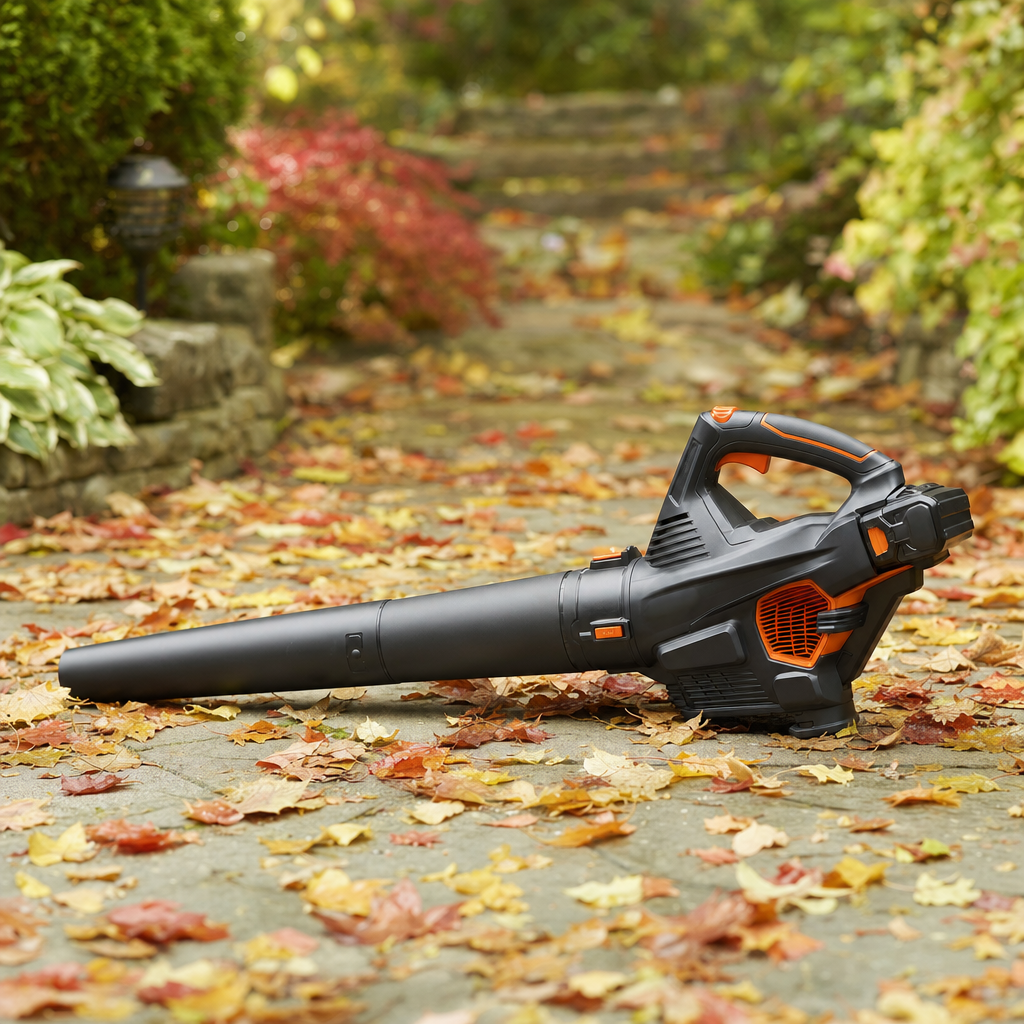
Understanding the Main Categories of Yard Blowers
When searching for the best leaf blower, the most crucial decision involves choosing between gas-powered, corded electric, and battery-operated cordless models. Gas blowers have traditionally been the heavy hitters of the industry, offering unmatched power and total mobility for large acreage properties with heavy debris loads. However, they require mixing fuel and oil for two-stroke engines, demand regular spark plug maintenance, and produce significant noise and exhaust emissions that may not suit suburban neighborhoods with strict noise ordinances.
On the other end of the spectrum, corded electric leaf blowers provide a lightweight, budget-friendly solution for smaller yards and patios. Because they plug directly into an outdoor outlet, they offer continuous runtime without the hassle of recharging batteries or managing gasoline. The primary limitation is the physical tether of the extension cord, which can restrict your movement, limit your reach to around one hundred feet from a power source, and occasionally snag on garden furniture, shrubs, or landscaping edging during operation.
Cordless battery-powered leaf blowers have evolved rapidly in recent years, closing the performance gap with gas models while maintaining the convenience of zero direct emissions and instant push-button ignition. Modern lithium-ion battery technology delivers impressive air velocities and volumes, making them a favorite for medium-sized suburban lawns. The main consideration with battery models is managing runtime; purchasing an extra interchangeable battery ensures you can complete your yard work without unexpected interruptions while waiting for a recharge cycle to finish.
Key Performance Metrics: CFM Versus MPH
Marketing materials for yard equipment often highlight impressive statistics, but understanding what those numbers actually mean is vital for selecting the right machine. CFM, or cubic feet per minute, measures the sheer volume of air moving through the nozzle. A higher CFM rating indicates that the blower can move a wider path of leaves simultaneously, clearing large piles quickly. This metric is generally considered the most important indicator of a leaf blower’s overall efficiency and capability when dealing with heavy yard debris.
MPH, or miles per hour, measures the velocity or speed at which the air exits the nozzle. High MPH ratings are useful for dislodging wet, compacted leaves, stubborn pine needles, or packed gravel stuck in grass. However, a high air speed coupled with a very low air volume will only push a tiny stream of leaves, making cleanup tedious. The best leaf blowers achieve a harmonious balance between high CFM and adequate MPH to move stubborn debris across your lawn without scattering it uncontrollably.
When evaluating specifications, look at how the nozzle design influences these metrics. Round nozzles generally produce high CFM, making them ideal for clearing wide areas of dry leaves efficiently. Flat or concentrator nozzles narrow the airstream, increasing the MPH to tackle wet or sticky organic matter. Many modern handheld and backpack blowers come with interchangeable nozzles, allowing you to adapt the machine’s performance characteristics to the specific seasonal challenges presented by your unique landscape.
Handheld Versus Backpack Configurations
The physical design of the blower dramatically impacts user comfort, particularly during extended yard cleanup sessions in autumn. Handheld leaf blowers are lightweight, highly maneuverable, and excellent for quick clearing tasks around patios, driveways, and small garden beds. Because you hold the entire weight of the motor and battery in one hand, fatigue can set in relatively quickly if you are working on a large property with dense accumulations of fallen leaves over multiple hours.
Backpack leaf blowers transfer the weight of the engine or motor, fuel tank, or heavy-duty battery pack from your arms to your shoulders and hips using a padded harness system. This ergonomic distribution of weight makes heavy gas and high-capacity battery backpack units feel significantly lighter in active use, reducing arm strain and allowing for prolonged operation. They are the preferred format for professional landscapers and homeowners with large properties featuring extensive lawns, mature trees, and complex landscaping layouts.
Walk-behind leaf blowers represent the industrial end of the spectrum, mounted on wheels and pushed across large expanses like golf courses, parks, or massive residential yards. While they eliminate carrying fatigue entirely, they lack the maneuverability needed for tight spaces, garden beds, or elevated decks. Selecting the right configuration depends entirely on your physical stamina, the size of your property, and the specific terrain features you need to navigate during seasonal property maintenance routines.
Practical Safety and Maintenance Guidelines
Operating any high-powered outdoor power equipment requires adherence to basic safety practices to protect yourself and your surroundings. Always wear appropriate personal protective equipment, including ear protection to guard against loud engine or fan noise, and safety glasses to prevent flying debris, twigs, and dust from entering your eyes. Additionally, be mindful of your discharge direction, avoiding blowing debris toward windows, cars, pedestrians, or freshly planted garden beds where delicate mulch might be scattered.
Routine maintenance extends the operational lifespan of your equipment and ensures consistent performance throughout the year. For gas-powered units, regularly inspect fuel lines, clean the air filter, use fresh fuel mixed with stabilizing additives, and drain the carburetor before storing the machine for the winter off-season. Electric and battery-powered blowers require less engine upkeep, but you should still keep the intake vents free of dust and grass clippings to prevent motor overheating and potential electrical damage.
Checklist for Choosing Your Yard Blower
To simplify your shopping process and ensure you select a machine that matches your physical environment and property demands, utilize a structured evaluation checklist. Reviewing these specific property and usage factors prevents impulse buying and guarantees that your investment provides long-term satisfaction without unnecessary features or insufficient power.
- Assess property size: Measure your lot to determine if a corded, cordless, or gas model provides sufficient reach and runtime.
- Evaluate debris type: Consider whether you deal primarily with light, dry autumn leaves or heavy, wet foliage and pine needles.
- Check local regulations: Research neighborhood noise ordinances and environmental restrictions regarding gas-powered outdoor equipment.
- Test physical comfort: Visit a local retailer to feel the weight distribution, handle grips, and harness ergonomics of different models.
- Review storage space: Ensure you have adequate garage or shed space to store the blower, fuel containers, or battery charging stations.
Frequently Asked Questions
What is the difference between CFM and MPH in leaf blowers?
CFM measures the total volume of air moved, determining how fast you can clear large areas. MPH measures air speed, which helps dislodge wet or stuck debris.
Are battery-powered leaf blowers as powerful as gas models?
Advanced lithium-ion battery blowers match or exceed light-to-medium gas models, though heavy-duty commercial properties may still require high-end gas or backpack units.
How can I reduce noise when operating a leaf blower?
You can reduce noise impact by choosing electric or battery models, operating during permitted daytime hours, and using lower throttle settings when light clearing is sufficient.
Is it better to get a handheld or backpack leaf blower?
Handheld blowers are ideal for small yards and quick cleanups, while backpack blowers offer ergonomic weight distribution for larger properties and extended use.
Article Was Generated By AI.