
Understanding the Appeal of Modern Electric Kettles
The quest for the best electric kettle often begins with a simple desire for speed and convenience in the kitchen. Unlike traditional stovetop models that require constant monitoring and depend on the burner’s efficiency, modern electric appliances utilize internal heating elements designed to transfer energy directly to the water. This direct approach translates to boiling water in a fraction of the time, making morning routines significantly faster for busy households and tea enthusiasts alike. Beyond mere velocity, these appliances bring a high degree of precision to everyday culinary tasks, ensuring that hot water is always ready precisely when you need it.
Energy efficiency is another compelling reason why many households make the switch to dedicated electric water heating devices. Traditional stovetops often lose a substantial amount of ambient heat around the edges of a kettle, especially when using gas ranges or oversized electric burners. In contrast, countertop electric units are insulated and contained systems that focus virtually all of their electrical draw on raising the temperature of the liquid inside. Furthermore, automatic shutoff mechanisms prevent prolonged boiling, saving electricity and eliminating the safety hazards associated with forgotten stovetop burners running dry for extended periods.
Key Materials and Their Impact on Performance
When evaluating the best electric kettle options available on the market, material composition plays a foundational role in both durability and water taste. Stainless steel remains a hugely popular choice due to its robust nature, resistance to physical impact, and sleek aesthetic that complements almost any kitchen decor. However, lower-grade stainless steel can sometimes impart a metallic taste to water if not properly manufactured or maintained. Premium models typically utilize food-grade 304 stainless steel, which resists corrosion and prevents any unwanted flavors from leaching into your morning brew, ensuring a clean and pure taste every single time.
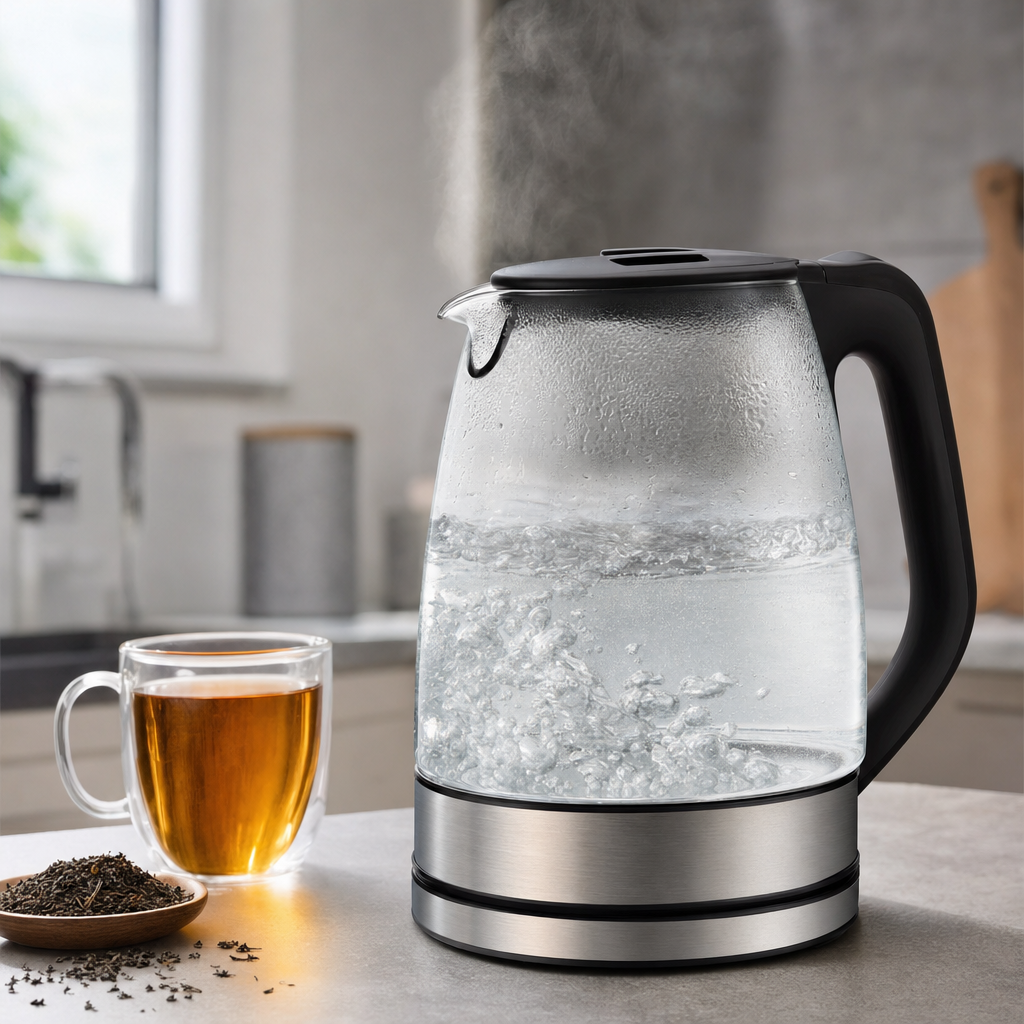
Glass models offer a distinct visual appeal, allowing users to watch the boiling process while easily monitoring mineral buildup and cleanliness. Borosilicate glass is standard here, chosen specifically for its ability to withstand rapid thermal shock without cracking under high temperatures. On the other hand, ceramic kettles provide a charming, vintage aesthetic and retain heat remarkably well, though they tend to be heavier and more fragile than their metal counterparts. Plastic components are also common, particularly in budget-friendly units, but buyers should always verify that plastic parts coming into contact with water are certified free of bisphenol-A and other potentially harmful chemical compounds.
Temperature Control and Advanced Features
For dedicated connoisseurs of specialty teas and pour-over coffees, the best electric kettle must feature variable temperature settings. Different botanical leaves and coffee roasts react dramatically to water temperature; delicate green and white teas, for instance, easily become bitter and astringent if scalded with boiling water, while black teas and herbal infusions generally require a full rolling boil to properly extract their complex flavors. Variable temperature models allow users to select exact degrees ranging from 160 degrees Fahrenheit up to 212 degrees Fahrenheit, unlocking optimal flavor profiles across a wide variety of hot beverages.
Keep-warm functions represent another advanced capability that adds remarkable convenience to daily food preparation workflows. Once the water reaches your desired target temperature, a low-energy holding cycle maintains that exact heat level for anywhere from thirty minutes to two hours. This eliminates the tedious necessity of reheating the water if you happen to get distracted or want a second cup shortly after the first. Coupled with clear digital displays, tactile buttons, and acoustic beep indicators, these modern technological enhancements transform a basic kitchen appliance into a sophisticated culinary tool.
Practical Maintenance and Longevity Tips
Owning a high-performing electric kettle requires regular upkeep to ensure it operates efficiently over many years of continuous daily service. Mineral scale accumulation, commonly known as limescale, is the primary enemy of these appliances, especially in geographic regions with hard water supplies containing high concentrations of calcium and magnesium. As water boils and evaporates, these minerals precipitate out and form a chalky white crust along the interior base and heating element. Left unchecked, this buildup insulates the heating element, reducing thermal transfer efficiency and forcing the appliance to work harder and longer to achieve a boil.
Descaling your appliance every few weeks is a straightforward maintenance task that preserves performance and extends its operational lifespan significantly. A simple mixture of equal parts white vinegar and water, boiled inside the unit and then left to sit for thirty minutes, effortlessly dissolves stubborn mineral deposits without scrubbing. Afterward, thoroughly rinse the interior and boil a cycle of plain water to eliminate any lingering vinegar taste. Additionally, keeping the exterior clean with a damp microfiber cloth prevents grease and dust accumulation, keeping your countertop looking neat and well-maintained.
Evaluating Capacity and Ergonomic Design
Selecting the appropriate size is crucial for matching the appliance to your specific household needs and available counter space. Standard capacities typically range from 1.0 liters to 1.7 liters, catering effectively to single users, couples, or larger families who regularly host guests. A larger 1.7-liter model provides ample volume for preparing multiple large mugs of tea or supplying boiling water for cooking pasta, but it also demands more storage space and feels considerably heavier when completely full. Conversely, compact 1.0-liter or smaller travel versions heat water even faster and occupy minimal footprint in tight spaces.
Ergonomics heavily influence the daily user experience, dictating how comfortable the appliance feels during lifting, pouring, and refilling tasks. Look for models featuring balanced weight distribution, comfortable handle grips insulated against heat transfer, and wide-opening lids that facilitate easy cleaning of the interior basin. Spout design is equally critical; a well-engineered gooseneck spout offers precise, controlled water flow essential for pour-over coffee brewing, whereas a traditional wide spout allows for rapid pouring into teapots and large cooking vessels without splashing or spilling hot water.
Frequently Asked Questions
How long does a typical electric kettle take to boil water?
Most standard electric kettles bring a full liter of water to a rolling boil in approximately three to five minutes. The exact boiling time depends on the wattage of the heating element, the starting temperature of the water, and the total volume being heated.
Is it safe to leave water sitting inside an electric kettle?
While leaving water in the kettle for a few hours is generally harmless, letting water sit stagnant for days can promote bacterial growth and mineral scaling. It is always best practice to empty any leftover water and let the interior dry out.
Do electric kettles consume a lot of electricity?
Electric kettles typically use between 1,500 and 3,000 watts, which sounds high, but because they heat water so rapidly, their overall energy consumption per use is quite low. They are often more energy-efficient than using an electric stovetop.
What causes white flakes to appear inside the boiling chamber?
Those white flakes are harmless mineral deposits known as limescale, which naturally separate from hard water during the heating process. Regular descaling using a simple vinegar and water solution will easily dissolve and remove these mineral particles.
Article Was Generated By AI.