
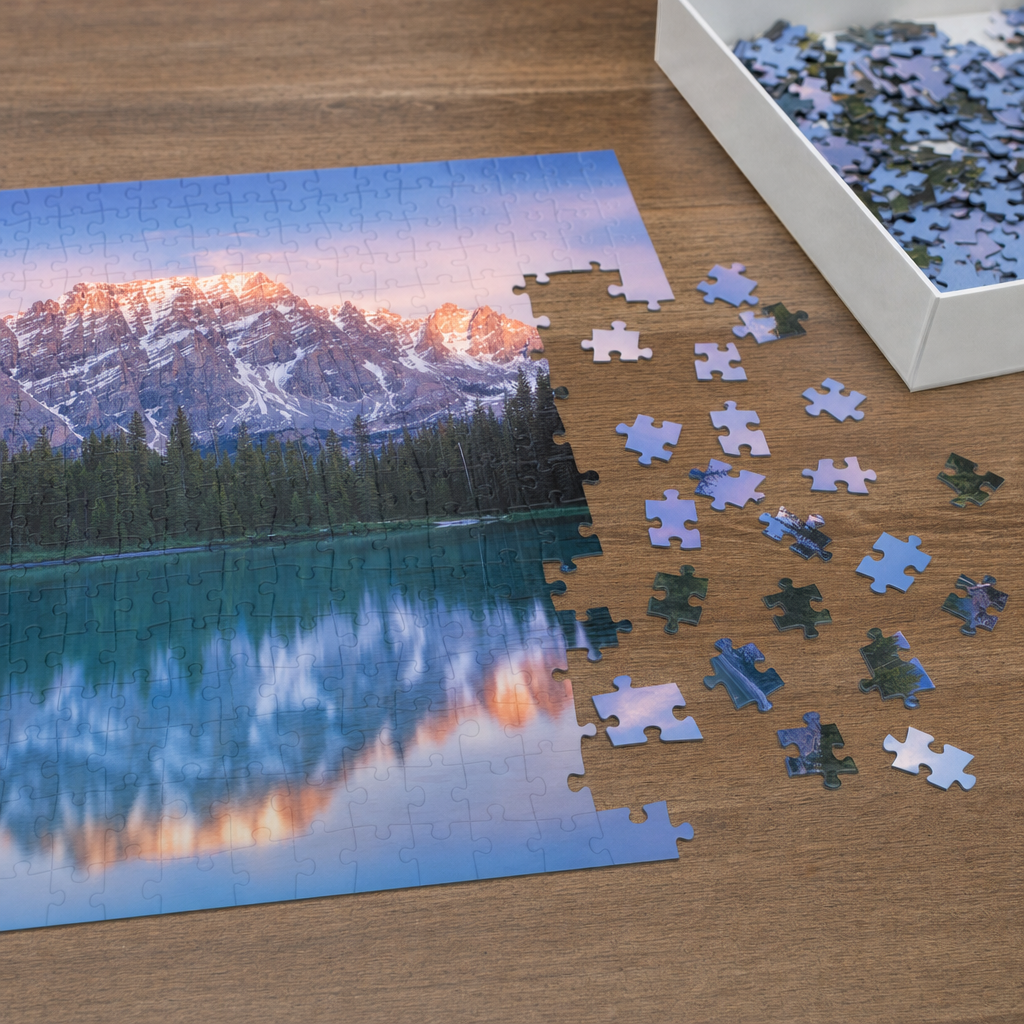
Understanding What Makes a Great Jigsaw Puzzle
When searching for the best jigsaw puzzle, enthusiasts often look beyond a simple picture to evaluate the overall crafting quality, cut precision, and material durability. Premium puzzles feature thick blue or white cardboard backing that prevents bending and ensures each piece withstands repeated assembly over many years. The manufacturing process plays a vital role, as steel dies are utilized to cut through the cardboard layers cleanly. This precision guarantees that pieces fit together snugly without leaving frustrating gaps or creating false fits where pieces appear to belong together when they actually do not.
Surface finish is another critical element that distinguishes superior products from standard options. Many top-tier manufacturers apply a matte or linen finish to their cardboard surfaces, which significantly reduces glare from overhead lighting and lamps. This thoughtful design choice prevents eye strain during long evening puzzling sessions. Additionally, vibrant, high-resolution printing ensures that subtle color gradients and fine artistic details remain crisp and distinguishable, making the sorting and matching phases much more enjoyable and rewarding for hobbyists of all experience levels.
Choosing the Right Piece Count and Complexity
Selecting the appropriate piece count is essential for a satisfying experience that matches your available time and patience. Beginners or casual solvers typically start with 300 to 500 pieces, which can usually be completed in a single weekend afternoon without feeling overwhelming. Intermediate enthusiasts often gravitate toward the classic 1,000-piece format, as it strikes a harmonious balance between a manageable footprint and a satisfying multi-day challenge. Advanced solvers frequently seek out distributions ranging from 2,000 to over 5,000 pieces, requiring dedicated workspace tables and methodical strategies.
Beyond the sheer quantity of pieces, image complexity dictates the actual difficulty of the puzzling experience. A pastoral landscape featuring large swathes of identical blue sky or green grass can easily turn a 1,000-piece puzzle into a grueling test of endurance. Conversely, a bustling city street scene packed with unique storefronts, varied signage, and diverse color palettes allows solvers to easily categorize and place sections. When evaluating difficulty, pay close attention to pattern repetition, texture variety, and color blending within the box artwork.
- 100 to 300 pieces: Ideal for children, seniors, or quick relaxation.
- 500 pieces: Great for a casual evening project or beginners.
- 1,000 pieces: The gold standard offering a balanced multi-day challenge.
- 2,000+ pieces: Best for experienced hobbyists with large, dedicated tables.
Exploring Popular Themes and Artistic Styles
The artistic theme of a puzzle significantly influences how engaging the assembly process will be from start to finish. Fine art reproductions are exceptionally popular among traditionalists who appreciate classic paintings from masters like Van Gogh, Monet, or modern illustrators. These images offer intricate brushwork and rich color variations that make sorting an absolute pleasure. However, they can also present unique challenges when monochromatic sky areas or subtle shadow gradients require careful piece-by-piece comparison against the box reference poster.
Alternative themes such as vintage travel posters, whimsical animal collages, and complex photographic maps offer entirely different visual stimuli. Nostalgic scenes depicting mid-century storefronts or rural countrysides often incorporate hidden jokes, easter eggs, and narrative elements that keep solvers motivated. On the other hand, photographic nature scenes of dense tropical rainforests or coral reefs provide stunning color saturation but demand immense patience due to repeating natural patterns like leaves, scales, and pebbles.
Practical Tips for Sorting and Assembly
Establishing an efficient workflow can transform a frustrating pile of cardboard into a structured and relaxing pastime. The foundational step for any successful project is sorting, which begins with separating all the border pieces to construct the outer frame first. Once the perimeter is established, experienced puzzlers sort remaining pieces by distinct color families, unique textures, and prominent pattern markers. Utilizing sorting trays, baking sheets, or the inside box lid helps keep different categories organized and prevents clutter on your primary workspace.
Lighting and workspace ergonomics are equally crucial factors that many beginners overlook until physical discomfort sets in. Ensure your puzzle table is situated under adjustable, bright, neutral-toned lighting to accurately distinguish between similar shades of navy blue, purple, and charcoal gray. If you need to clear your dining table frequently, consider investing in a portable puzzle mat or a dedicated fiberboard caddy that allows you to safely roll up or store your unfinished masterpiece out of reach of pets and young children.
Preserving and Displaying Your Finished Masterpiece
Once you successfully place that final elusive piece into the grid, you may want to preserve your hard work permanently. Preserving a puzzle requires applying a specialized liquid puzzle glue or adhesive sheets directly to the front or back surface. Liquid glue seeps into the microscopic cracks between interconnected pieces, drying into a clear, glossy, or matte protective seal that holds everything firmly together without clouding the artwork underneath.
Framing your glued puzzle is a fantastic way to turn temporary entertainment into lasting home decor for your living room, study, or hallway. Standard picture frames can sometimes be slightly too shallow for thick cardboard puzzles, so measuring the exact thickness before purchasing a frame is recommended. Alternatively, mounting the preserved puzzle onto lightweight foam core board provides sturdy structural support, making it easy to hang on the wall using standard sawtooth hangers or adhesive mounting strips.
Frequently Asked Questions
How do I know if a jigsaw puzzle is good quality?
High-quality puzzles feature thick blue or white cardboard that resists bending, clean steel-die cuts with minimal puzzle dust, a glare-reducing matte or linen finish, and tightly interlocking pieces that do not fall apart when lifted.
What is the best piece count for an adult beginner?
A 500-piece puzzle is generally considered the sweet spot for adult beginners. It offers enough complexity to remain engaging without feeling overwhelming, and it can typically be completed within a single weekend.
How can I keep my cat from messing up my puzzle?
Using a puzzle board with a protective cover, a roll-up felt mat, or setting up your workspace in a room with a closed door are the most effective ways to protect your unfinished project from curious pets.
What is the easiest way to preserve a completed puzzle?
The easiest method is applying a specially formulated liquid puzzle sealer across the surface with a sponge brush. It dries clear, bonds the pieces together permanently, and allows you to easily frame the finished artwork.
Article Was Generated By AI.