
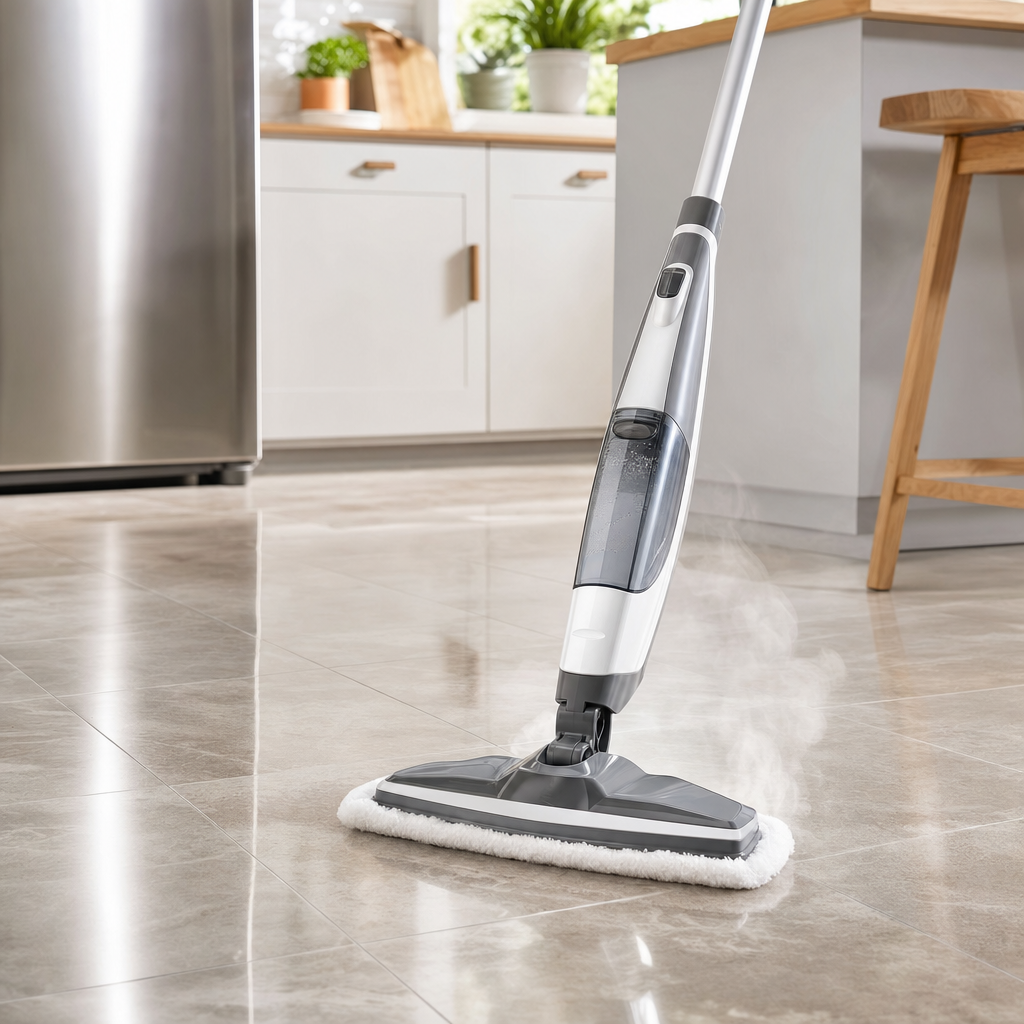
Understanding How Steam Mops Work
Steam mops have transformed traditional floor cleaning by utilizing high-temperature vapor to sanitize and loosen stubborn grime without the need for harsh chemical detergents. When you plug in a standard steam mop and fill its internal water reservoir, an electric heating element quickly brings the water to a boil, converting it into pressurized steam. This continuous stream of hot vapor is then forced through a specialized nozzle directly into a microfiber or absorbent pad that glides across your floor surfaces. The combination of thermal energy and moisture effectively melts away sticky residues, dried spills, and microscopic debris that ordinary sweeping often leaves behind.
Beyond basic cleaning, the thermal properties of these appliances provide a natural sanitizing effect that many homeowners find appealing. Because water reaches temperatures high enough to kill many common household bacteria and dust mites, you can achieve a deeply hygienic clean using plain tap water or distilled water. This mechanism is particularly beneficial for households with crawling infants, toddlers, or pets who spend a significant amount of time directly on the floor. However, understanding the baseline mechanics also reveals certain limitations, such as the fact that steam mops sanitize rather than scrub, meaning heavy, caked-on messes still require a bit of manual pre-treatment before the mop can do its job effectively.
Key Features to Evaluate Before Making a Choice
When researching the best steam mop for your specific living space, examining the physical design and power specifications is essential for long-term satisfaction. Cord length and overall weight are two critical factors that directly influence how maneuverable the appliance will feel during an extended cleaning session. A lightweight model with a swivel steering head allows you to glide effortlessly around table legs, kitchen islands, and tight bathroom corners without straining your wrists or back. Additionally, consider whether you prefer a corded model that offers unlimited runtime or a cordless variant that maximizes portability at the expense of battery life limitations, which typically restrict continuous operation to fifteen or twenty minutes.
Water tank capacity and heat-up time also play a major role in the overall user experience and cleaning efficiency. A larger tank means fewer interruptions to refill the reservoir mid-clean, though it simultaneously adds weight to the unit when fully loaded. Most modern appliances boast rapid heating times ranging from fifteen to thirty seconds, allowing you to transition from storage to active cleaning almost instantly. Look for models featuring removable water tanks that can be filled directly under a faucet, as well as adjustable steam settings that let you dial down the moisture output when cleaning delicate flooring types that require a gentler touch.
Compatibility with Different Floor Types
Not all flooring materials are created equal, and understanding how steam interacts with various surfaces is crucial to preventing permanent water damage in your home. Sealed hardwood floors, ceramic tile, porcelain tile, and luxury vinyl planks generally tolerate steam cleaning exceptionally well, provided the protective finish on the floor is intact and free of cracks. The intense heat and moisture lift embedded dirt from porous grout lines and textured surfaces with remarkable ease. On the other hand, unsealed wood, engineered flooring with weak adhesive bonds, and certain types of laminate can suffer warping, bubbling, or moisture infiltration if exposed to prolonged high-temperature vapor.
To ensure safety across different rooms in your house, many manufacturers design versatile units equipped with variable steam control dials or specialized glider attachments. These thoughtful additions allow you to reduce the steam volume or distribute the heat more evenly when moving from durable stone kitchen tiles to sensitive living room surfaces. It is always wise to consult your specific flooring manufacturer guidelines before introducing any new cleaning method. Performing a spot test in an inconspicuous corner of the room can also provide valuable insight into how your particular floor reacts to thermal moisture before committing to a whole-house cleaning routine.
- Check manufacturer flooring guidelines before first use.
- Use distilled water to prevent mineral buildup and clogging.
- Wash microfiber pads regularly without using fabric softeners.
- Vacuum or sweep thoroughly to remove large grit before steaming.
Maintenance and Longevity Tips
Proper ongoing maintenance significantly extends the operational lifespan of your steam mop and ensures consistent performance over years of regular use. One of the most common issues owners face is mineral scale accumulation inside the heating chamber, particularly in geographic regions with hard tap water. Using distilled or demineralized water helps mitigate this problem drastically, while many quality appliances also feature built-in or replaceable anti-scale filters that trap calcium and magnesium deposits before they can cause internal blockages. Periodically checking and replacing these filters according to the manufacturer schedule keeps the steam flowing freely and maintains optimal operating pressure.
Pad care is another vital component of routine maintenance that directly impacts cleaning efficacy on your floors. Most units rely on reusable microfiber pads that trap dirt within their microscopic fibers during operation. After every cleaning session, remove the soiled pad promptly and launder it thoroughly in warm water, avoiding harsh bleach and fabric softeners that can coat the fibers and reduce their absorbency. Having a rotation of multiple pads ensures you always have a clean one ready for your next chore, preventing the transfer of old dirt back onto freshly sanitized surfaces during your cleaning routine.
Commonly Asked Questions
Can I use scented oils or cleaning solutions inside a steam mop?
Most manufacturers strongly advise against adding chemicals, detergents, or essential oils to the water tank. Doing so can clog the internal heating mechanism, leave a sticky residue on your floors, and automatically void your product warranty.
Do steam mops truly disinfect floors without chemical disinfectants?
Yes, laboratory tests consistently demonstrate that the high temperatures generated by steam mops kill up to 99.9 percent of common household bacteria and germs, relying entirely on thermal energy rather than chemical agents.
How often should microfiber cleaning pads be replaced?
With proper washing and regular maintenance, a standard microfiber pad lasts between three to six months of regular use. You should replace them once you notice fraying edges or a noticeable decline in absorbency.
Is it safe to use a steam mop on unsealed hardwood floors?
No, you should never use a steam mop on unsealed hardwood. The penetrating moisture and intense heat can warp, discolor, and cause irreversible water damage to the exposed wood fibers beneath.
Article Was Generated By AI.