
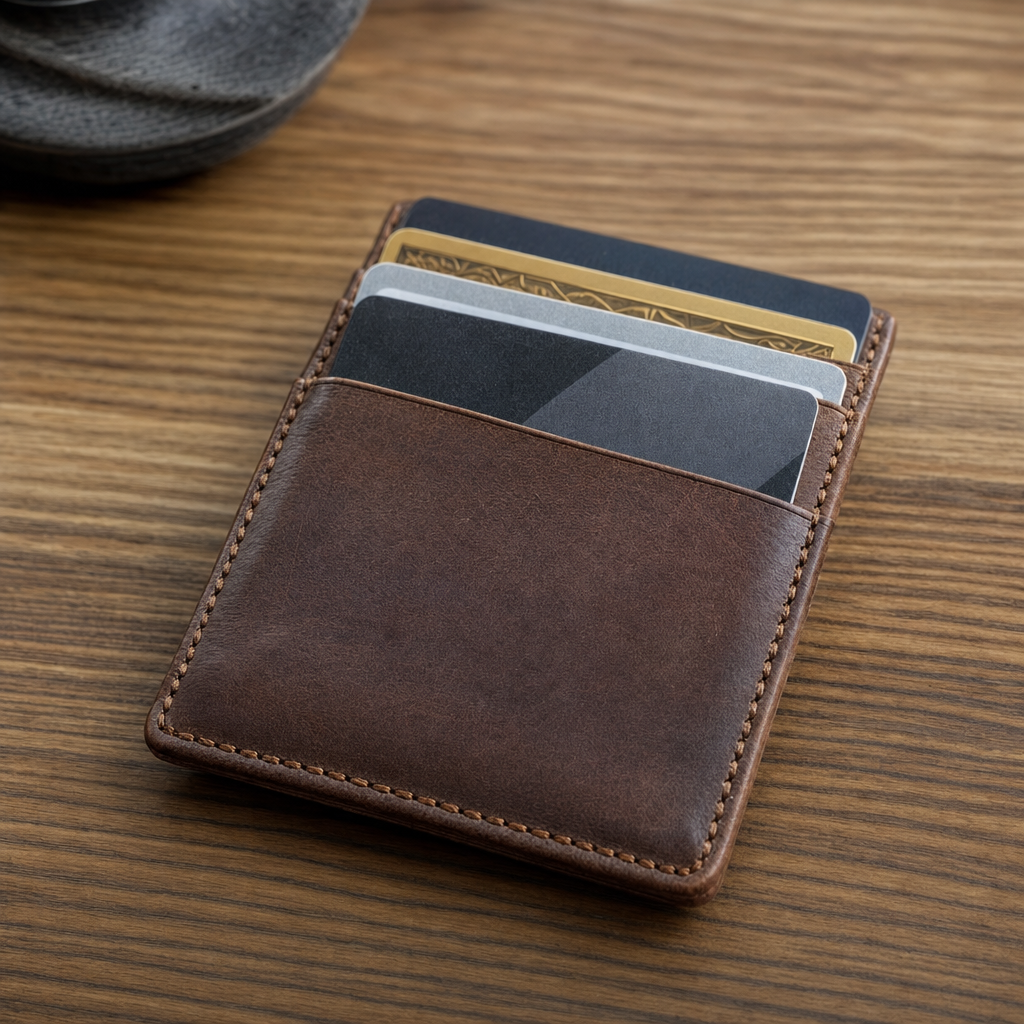
Understanding the Appeal of Minimalist Wallets
The search for the best minimalist wallet often begins with a familiar frustration: a bulky, leather bifold stuffed with receipts, expired gift cards, and loyalty stamps that creates an uncomfortable lump in your back pocket. Traditional wallets encourage digital clutter by offering endless slots, which humans naturally fill over time until sitting becomes physically uncomfortable and bad for spinal alignment. Minimalist designs completely flip this paradigm by imposing strict physical limits, forcing users to evaluate what they actually need on a daily basis rather than what they might hypothetically need once a year. This intentional downscaling transforms a utilitarian pocket item into a sleek, streamlined accessory that prioritizes comfort, ergonomics, and modern aesthetic preferences without sacrificing absolute utility.
Beyond physical comfort, modern lifestyles have fundamentally shifted away from cash and bulky coin pouches toward digital payments, contactless cards, and smartphone mobile wallets. When most transactions occur via tap-to-pay or digital banking apps, carrying a thick brick of leather is an unnecessary relic of the past that fails to match contemporary wardrobe silhouettes. Slimmer trousers, fitted jeans, and lightweight summer wear demand accessories that disappear quietly into a front pocket rather than bulging awkwardly from the rear. Adopting a streamlined carry solution aligns with a broader cultural movement toward intentional living, where individuals curate their physical possessions down to the absolute essentials to reduce daily friction, save time, and eliminate unnecessary physical weight.
Key Structural Designs and Materials
When evaluating potential options, you will encounter three primary construction styles: elastic band wallets, rigid metal cardholders, and ultra-thin leather sleeves. Elastic band models typically feature two rigid plates—made from carbon fiber, titanium, or aluminum—held together by a heavy-duty elastic webbing that securely clamps cards between them. These designs often include a cash strap or a flexible clip for folded paper currency, offering an extremely small footprint that matches the exact dimensions of standard credit cards. Metal cardholders utilize spring-loaded mechanisms or thumb notches to fan out cards mechanically, providing instant access to your most frequently used transit passes or payment cards with a simple flick of a lever or push of a button.
Material selection plays a massive role in both the overall durability and the aesthetic aging process of your chosen accessory. Full-grain and top-grain leathers offer a classic, sophisticated look that develops a rich patina over time, softening gracefully as it molds to the specific contours of your pocket and cards. On the other end of the spectrum, aerospace-grade aluminum, grade 5 titanium, and forged carbon fiber provide industrial-grade resilience, virtually eliminating wear and tear from daily friction, drops, and exposure to moisture. Selecting the right material involves balancing your personal style preferences with practical considerations regarding how rough you are on your daily carry items and whether you prefer a rugged or refined finish.
To help you compare the primary structural styles available on the market today, consider the following breakdown of common minimalist categories:
- Rigid Metal Cardholders: Excellent durability, RFID blocking capabilities, and mechanical card-ejection systems for quick access.
- Elastic Webbing Plates: Extremely lightweight, highly expandable, and minimal footprint that matches exact card dimensions.
- Ultra-Thin Leather Sleeves: Traditional tactile feel, flexible storage, and clean lines without the bulk of a traditional bifold.
Capacity Limits and Smart Decluttering
Transitioning to a compact carry solution requires an honest assessment of your card collection and a willingness to abandon items you rarely use. Most quality minimalist options comfortably accommodate between four and twelve cards, depending entirely on whether they feature accordion folds, multi-pocket sleeves, or rigid compression plates. This limitation forces you to leave behind store loyalty punch cards, which can easily be scanned and stored digitally inside smartphone applications to clear physical pocket space. By auditing your collection and keeping only your primary debit card, credit card, driver license, and health insurance card, you eliminate dead weight and drastically simplify your everyday routine.
Managing paper currency is another crucial challenge when downsizing, as slim models lack the traditional full-length bill compartments found in conventional bifolds. Most compact designs require you to fold paper bills in half or even quarters, tucking them neatly beneath an exterior elastic strap, a dedicated cash clip, or an internal tension bar. While this method takes a brief moment to get used to when paying at cash-only establishments, it keeps your currency secure and prevents the wallet from expanding uncontrollably. Embracing this disciplined approach to physical currency ensures your daily carry remains as flat and lightweight as the day you first purchased it.
Security Features and RFID Technology
In an era of contactless payment cards embedded with radio frequency identification chips, digital pickpocketing has become a genuine concern for everyday commuters and travelers alike. Malicious actors can theoretically use portable scanners to read card data from close proximity without your knowledge, potentially compromising your sensitive financial information in crowded public spaces. Many modern compact accessories incorporate built-in RFID blocking materials, such as aluminum shielding or specialized metallic woven fabrics, that create a Faraday cage around your cards. This passive defense mechanism blocks unauthorized wireless signals entirely, ensuring your financial data remains secure until you intentionally remove or fan out the specific card you wish to use.
While metallic cardholders inherently block wireless signals due to their solid plate construction, leather minimalist sleeves often require specialized internal linings to achieve the same level of security protection. If you frequently travel through bustling urban transit systems, airports, or crowded tourist destinations, prioritizing a model with certified RFID blocking is a smart precaution. However, if you primarily use smartphone tap-to-pay apps where your physical cards stay securely locked away, physical security features might be slightly less critical to your daily peace of mind, allowing you to focus purely on ergonomics and card capacity instead.
Maintenance, Longevity, and Daily Care
Proper maintenance ensures that your streamlined pocket accessory remains functional and visually appealing over years of continuous daily use and exposure to the elements. For leather variants, periodic conditioning with natural oils or specialized leather balms prevents the material from drying out, cracking, or losing its snug grip on your cards. Metal and carbon fiber models require much less active upkeep, though you should occasionally inspect mechanical screws, tension tracks, and elastic bands for signs of wear and tear. Replacing worn elastic bands or tightening loose hardware every few years will dramatically extend the lifespan of your investment, keeping your cards securely fastened without unexpected failures.
Environmental exposure also dictates how well your gear holds up over time, especially if you lead an active outdoor lifestyle or work in demanding physical trades. Sweat, moisture, and abrasive pocket lint can gradually accumulate inside mechanical card ejection slots or stick to elastic webbing, causing minor operational friction. A simple preventative routine involves clearing out dust and debris using compressed air or a soft microfiber cloth every few months to maintain smooth mechanical movement. Taking these small steps guarantees that your daily carry item functions flawlessly whenever you need to pull out a card at the grocery store checkout or transit turnstile.
Frequently Asked Questions
Will a minimalist wallet stretch out and lose my cards if I put too many in?
Elastic and leather models can stretch if overloaded beyond their maximum rated capacity. To prevent this, stick to the manufacturer recommended card count, and avoid forcing extra cards into a single slot.
How difficult is it to get used to folding cash in a compact wallet?
It typically takes less than a week to adapt to folding bills in half or quarters. Most users find the slight adjustment well worth the massive reduction in pocket bulk and overall discomfort.
Do metal cardholders scratch the magnetic strips or chips on credit cards?
High-quality designs feature internal linings, smooth bevels, or plastic dividers to prevent scratching. However, inserting cards with abrasive dirt trapped inside can cause minor surface scuffs over time.
Are RFID blocking features necessary for everyday use?
They provide peace of mind against digital skimming in crowded areas, though modern chip and PIN security already offer substantial protection against unauthorized transactions in most standard retail environments.
Article Was Generated By AI.