
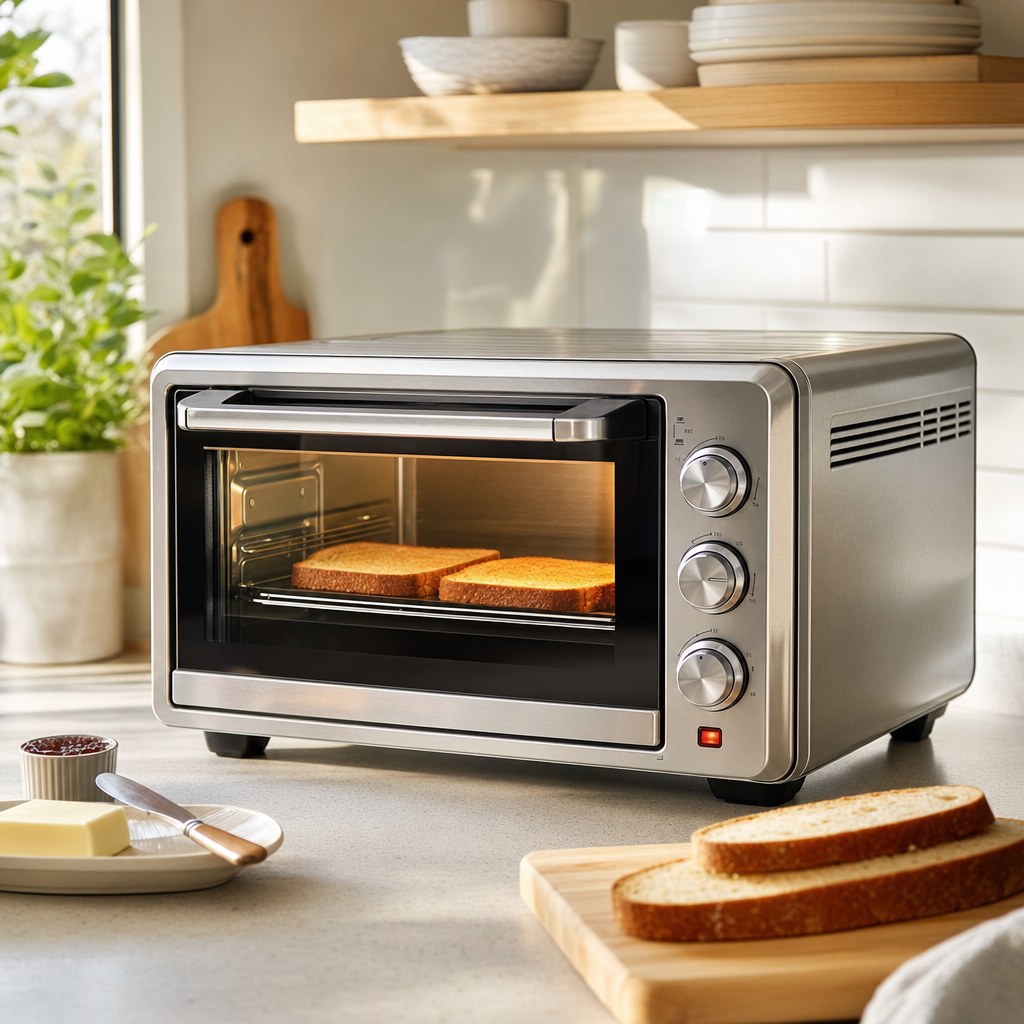
Understanding the Evolution of Countertop Ovens
The modern culinary landscape has transformed significantly, elevating simple kitchen appliances into sophisticated cooking powerhouses. When people search for the best toaster oven today, they are rarely looking for a device that merely browns bread on Tuesday mornings. Instead, they seek versatile countertop appliances capable of replacing traditional full-sized ovens for many everyday tasks. Manufacturers have responded by integrating advanced heating elements, convection fans, and digital interfaces into compact frames that sit neatly on kitchen counters without dominating the available space.
Modern countertop ovens bridge the gap between traditional toaster functionality and high-end thermal performance. Traditional models relied on simple quartz or nichrome wire coils that provided uneven radiant heat, often scorching toast while leaving the center cold. Today, engineering advancements allow for precise temperature regulation, independent zone heating, and specialized cooking modes. These improvements mean users can roast vegetables, bake small batches of cookies, broil salmon, and reheat leftovers with remarkable consistency and speed compared to older generations of kitchen hardware.
Key Features to Consider Before You Choose
Navigating the vast array of available specifications requires understanding which features genuinely impact daily cooking performance. Heating technology is arguably the most critical factor, with options ranging from basic radiant coils to advanced quartz elements and true convection systems that circulate hot air via a dedicated fan. Another vital consideration is internal capacity, which is typically measured in cubic feet or by the number of bread slices and pizza diameter the interior cavity can comfortably accommodate during a single cooking cycle.
Control interfaces also vary widely between basic mechanical dial systems and intricate digital touchpads featuring pre-programmed cooking algorithms. While dials offer straightforward durability and quick adjustments, digital controls provide exact temperature increments and specialized cycles for dehydration, air frying, or slow cooking. Interior lighting, non-stick coatings, slide-out crumb trays, and multi-position rack guides further influence how pleasant the appliance is to operate and how straightforward the subsequent cleanup process will be after preparing a messy meal.
- Heating elements: Quartz heats up faster, while traditional nichrome coils provide steady, durable radiant heat over long cooking sessions.
- Capacity metrics: Check both the stated slice capacity and the interior height clearance to ensure your favorite baking pans fit properly.
- Accessory packages: Quality models often include enamel baking pans, broil racks, air fry baskets, and crumb trays designed specifically for the cavity.
- Exterior insulation: Premium units feature double-wall construction and efficient insulation to keep the kitchen counter and surrounding cabinets cool.
Matching Capacity and Counter Space
One of the most common challenges homeowners face when selecting a countertop cooking device involves balancing internal capacity against limited kitchen real estate. Large-capacity models can roast a whole chicken or accommodate a standard nine-inch pie pan, but they require substantial counter space and adequate clearance from overhead cabinets to dissipate heat safely. Conversely, compact units fit into tight corners and apartments with ease, yet they struggle to cook meals for families of four without requiring multiple consecutive batches.
Measuring your available kitchen footprint involves more than just checking the width and depth of the appliance base. You must account for ventilation gaps recommended by the manufacturer, ensuring at least a few inches of clearance on the sides and back. Furthermore, consider the swing of the glass door and how you will safely pull out hot racks without burning your knuckles against nearby walls or upper cabinetry. Thoughtful spatial planning ensures your appliance remains convenient to use rather than becoming an intrusive obstruction.
Energy Efficiency and Practical Performance
Countertop ovens offer significant advantages in energy consumption and cooking speed compared to conventional built-in kitchen ranges. Because the internal cavity is vastly smaller than a standard oven, it heats up in a fraction of the time and requires far less electrical energy to maintain stable cooking temperatures. This efficiency translates to lower utility bills and less ambient heat radiating into your home during warm summer months, making it an appealing choice for daily meal preparation without firing up the main oven.
Practical performance extends beyond speed and energy savings to include temperature accuracy and heat distribution across the cooking surface. Inexpensive units frequently suffer from hot spots, meaning food on the back left corner might char while food on the right remains undercooked. High-end models utilize PID controllers and sophisticated algorithms to distribute heat evenly, ensuring predictable results whether you are melting cheese on an open-faced sandwich, roasting root vegetables, or baking delicate pastries from scratch.
Maintenance and Longevity Guidelines
Proper maintenance is essential for preserving the functionality and appearance of any countertop cooking appliance over years of regular use. Grease, oil, and food crumbs inevitably accumulate on the interior walls and heating elements, where they can smoke during subsequent cooking cycles or degrade non-stick coatings. Establishing a routine cleaning schedule prevents stubborn carbon buildup that becomes nearly impossible to remove without abrasive scouring pads that permanently scratch delicate interior surfaces and glass viewing windows.
Daily care should include emptying the slide-out crumb tray after every few uses and wiping down interior surfaces with a damp microfiber cloth while the appliance is completely cool and unplugged. For baked-on residue, utilizing a non-toxic paste of baking soda and water applied with a soft nylon brush helps lift grease without damaging heating elements or internal sensors. Regularly inspecting the rubber door gasket for cracks ensures optimal thermal sealing, which maintains energy efficiency and prevents heat from leaking onto surrounding kitchen surfaces.
Frequently Asked Questions
Can a modern toaster oven completely replace a traditional wall oven?
For smaller households, singles, or everyday tasks like reheating and baking small batches, a large toaster oven can replace a traditional oven. However, oversized holiday meals and very large baking sheets still require a standard range.
How much counter clearance do these appliances typically require for safety?
Most manufacturers recommend leaving at least four to six inches of clear space on the sides and back, along with significant clearance above the unit to prevent heat damage to upper cabinetry.
What is the primary difference between standard radiant and convection models?
Convection models feature an integrated fan that circulates heated air continuously throughout the cavity, resulting in faster cooking times, crispier textures, and more even browning across multiple racks.
How often should the interior and crumb tray be cleaned?
Emptying the crumb tray weekly prevents smoke and odors from old food particles. A thorough interior wipe-down every month keeps grease from baking onto the heating elements permanently.
Article Was Generated By AI.