
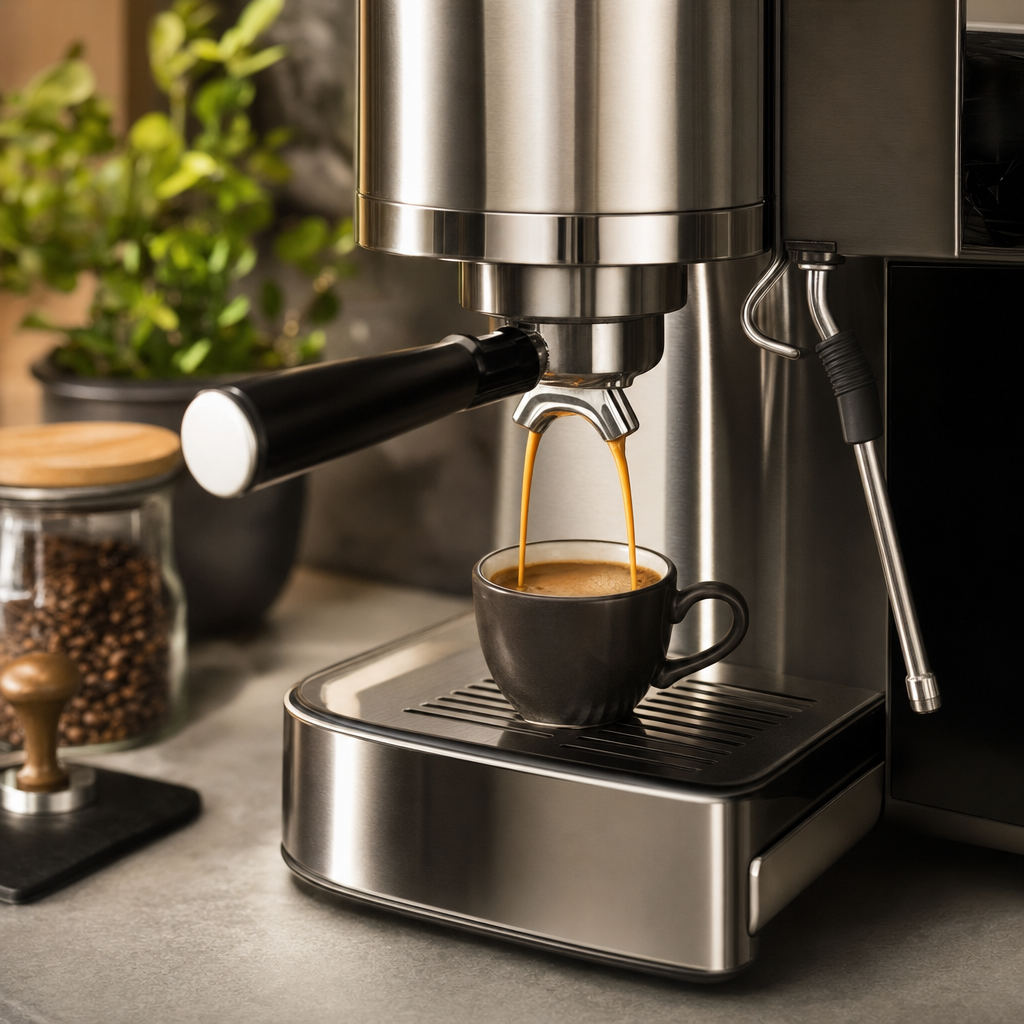
Understanding Espresso Machine Categories
When searching for the best espresso machine, the first major decision involves understanding the primary categories available on the market today. Manual or lever machines require physical effort to push water through the coffee grounds, offering ultimate control over pressure profiling but demanding significant skill and practice from the user. Semi-automatic machines represent the most popular category for home enthusiasts, allowing users to grind, tamp, and manually start and stop the extraction process while the machine handles water temperature and pump pressure automatically.
Moving further along the spectrum, fully automatic espresso machines take care of both grinding the beans and timing the extraction with the simple press of a button. Super-automatic machines go a step further by integrating milk frothing systems directly into the appliance, delivering cappuccinos and lattes with minimal human intervention. Choosing the right category depends entirely on how much time you want to spend mastering the craft of barista techniques versus simply pressing a button for a fast morning caffeinated beverage.
Key Features That Define Quality Performance
The best espresso machine options typically share several critical mechanical features that directly influence the quality in your cup. Boiler configuration plays a massive role in thermal stability, with dual boiler systems allowing users to brew espresso and steam milk simultaneously without waiting for water temperatures to adjust. Heat exchanger systems offer a reliable compromise, using a single boiler with a specialized tube running through it to heat brewing water on demand while keeping steam readily available at a moment’s notice.
Pump pressure is another frequently misunderstood specification, though standard Italian pumps consistently deliver the necessary nine bars of pressure required for traditional extraction. Temperature stability prevents burnt or sour shots, making PID controllers an essential feature for anyone serious about consistency. Furthermore, group head design and portafilter dimensions often match commercial standards, ensuring that accessories like tampers and distribution tools fit properly during your daily coffee preparation routine.
Grinding, Tamping, and Bean Selection
Even the best espresso machine on the market will produce mediocre results without a quality grinder to match its capabilities. Burr grinders, particularly those with conical or flat steel burrs, provide the uniform particle size distribution necessary for balanced extraction through a compressed coffee puck. Pre-ground coffee loses aromatic compounds rapidly and lacks the fine adjustments needed to dial in the correct resistance against the pressurized water coming from the machine group head.
Tamping technique acts as the physical bridge between grinding and extraction, requiring uniform pressure to eliminate channeling where water cuts through weak spots in the bed. Freshness and roast profile of the coffee beans matter immensely, with medium to dark roasts often providing the rich crema and forgiving flavor profiles preferred by beginners. Experimenting with different origin beans and roast dates allows home brewers to discover nuanced tasting notes ranging from bright citrus fruits to deep chocolate undertones.
Essential Maintenance and Daily Upkeep
Maintaining your equipment properly ensures that your investment continues to deliver exceptional performance over many years of daily use. Daily cleaning routines should always include purging the steam wand immediately after frothing milk to prevent dairy solids from clogging the delicate internal channels. Backflushing the group head with a blind filter and specialized detergent removes coffee oils that accumulate inside the three-way valve and alter the flavor of subsequent espresso shots.
Descaling is another crucial maintenance task that prevents mineral scale buildup from destroying internal heating elements and blocking narrow water tubes. The frequency of descaling depends largely on the mineral content of your local tap water, making the use of filtered or softened water highly recommended. Replacing group head gaskets and worn-out silicone seals periodically prevents water leaks and maintains proper pressure sealing during the high-stress extraction cycle.
Practical Checklist for Evaluating Options
Navigating the vast array of available coffee equipment becomes significantly easier when utilizing a structured evaluation checklist tailored to your specific lifestyle. Consider the physical footprint of the appliance on your kitchen counter, especially if vertical clearance beneath upper cabinets limits your placement options. Counter space constraints often dictate whether a bulky dual-boiler setup or a compact single-boiler appliance makes the most sense for your household environment.
Evaluate your daily beverage preferences realistically, as household members who exclusively drink black coffee have vastly different needs than dedicated latte enthusiasts. Budget considerations should encompass not just the initial cost of the machine, but also ancillary tools like precision baskets, knock boxes, and dedicated cleaning supplies.
- Assess available counter space and kitchen cabinet clearance heights.
- Determine the primary drink preferences of everyone in your household.
- Factor in the cost of a high-quality burr grinder alongside the machine.
- Review cleaning requirements and water filtration needs for longevity.
Frequently Asked Questions
What makes an espresso machine better than a standard drip coffee maker?
Espresso machines use high pressure to force hot water through finely ground, compacted coffee, resulting in a concentrated shot with rich crema, whereas drip coffee makers rely purely on gravity.
Do I need a separate grinder if I buy an espresso machine?
Unless you purchase a super-automatic model with a built-in grinder, a dedicated burr grinder is almost always necessary to achieve the fine, uniform grind required for proper espresso extraction.
How often should an espresso machine be cleaned?
Daily cleaning involves wiping down the steam wand and rinsing the portafilter, while deeper tasks like backflushing with detergent and descaling should be performed weekly or monthly depending on usage.
Why does water pressure matter so much for espresso?
The traditional nine bars of pressure force hot water evenly through the coffee puck at an optimal speed, extracting soluble oils and flavors without over-extracting bitter compounds.
Article Was Generated By AI.